Woodland Management
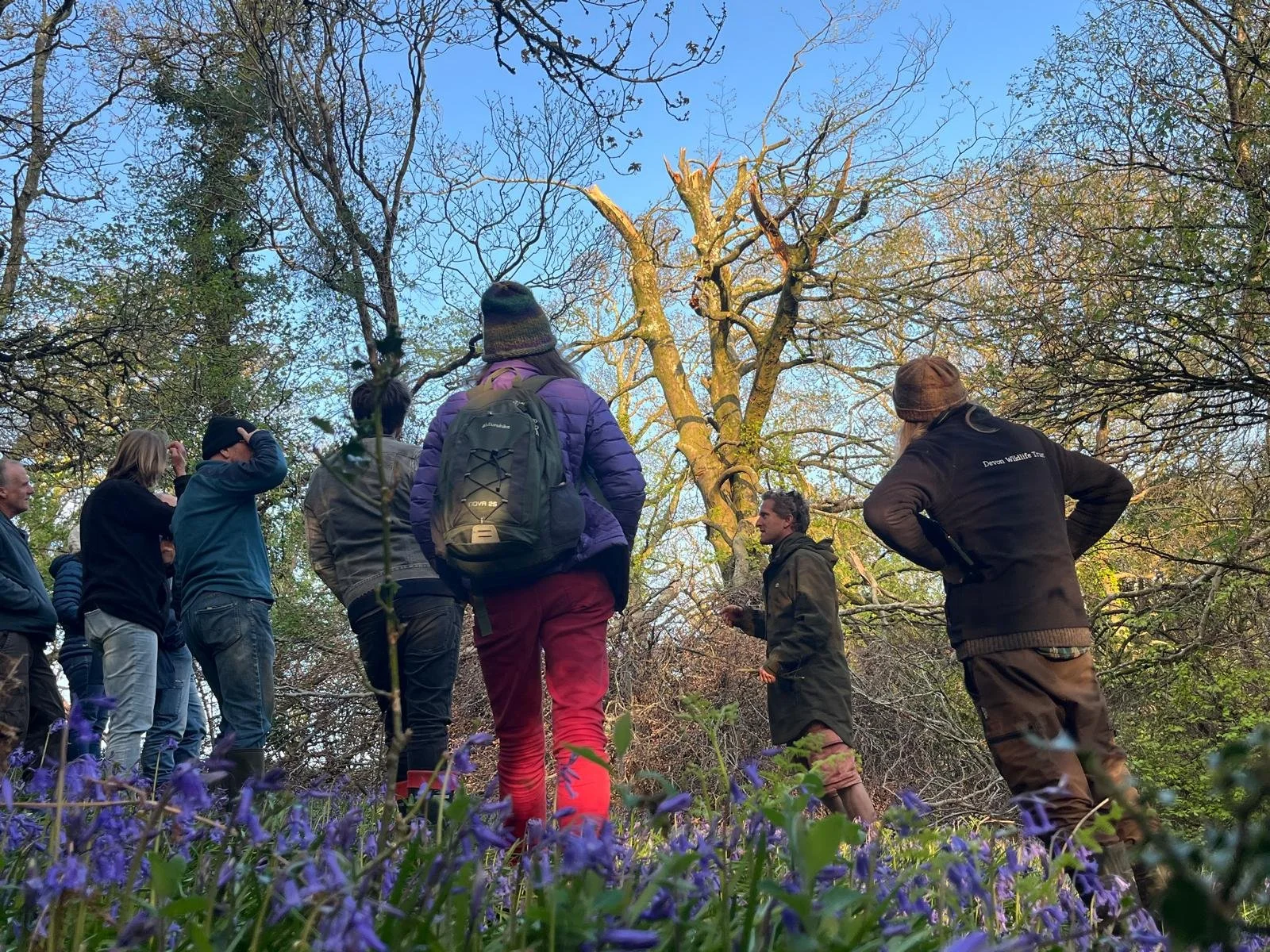
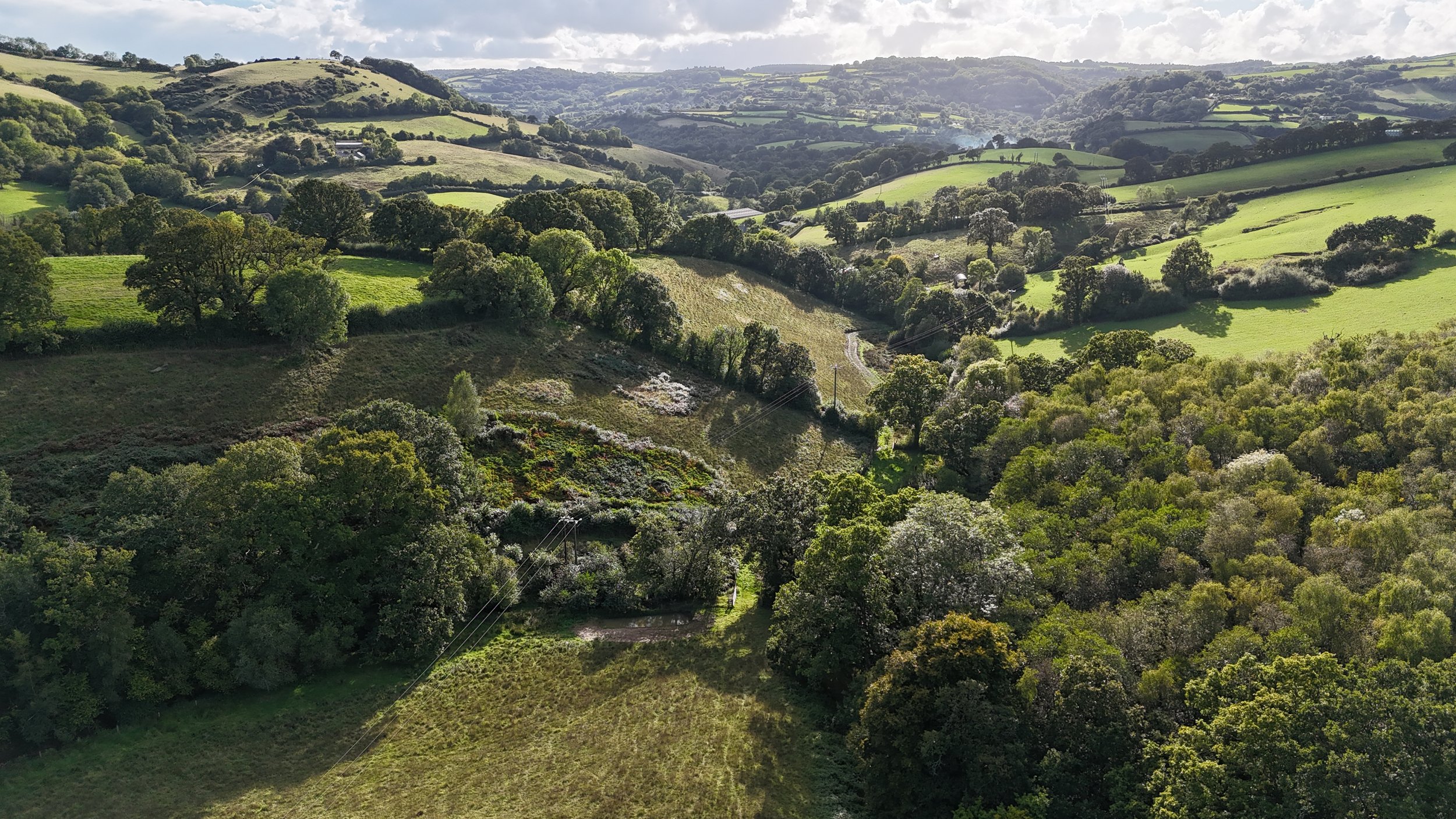
Healthy, resilient woodlands have never been more important. As climate pressures increase and biodiversity declines, well-managed woodland plays a vital role in protecting wildlife, improving landscapes, and supporting future generations. From creating thriving habitats to being able to access and enjoying your woodland - successful woodland management is about balancing conservation with responsible access and long-term sustainability.
We specialise in the restoration, improvement, and sensitive management of woodlands, working on low-impact and environmentally important sites. Every project is tailored to your objectives — whether focused on biodiversity enhancement, habitat restoration, amenity, or long-term woodland stewardship. Our experienced team takes pride in delivering high-quality work with exceptional attention to detail while ensuring minimal disturbance to the surrounding environment.
Our woodland management services include:
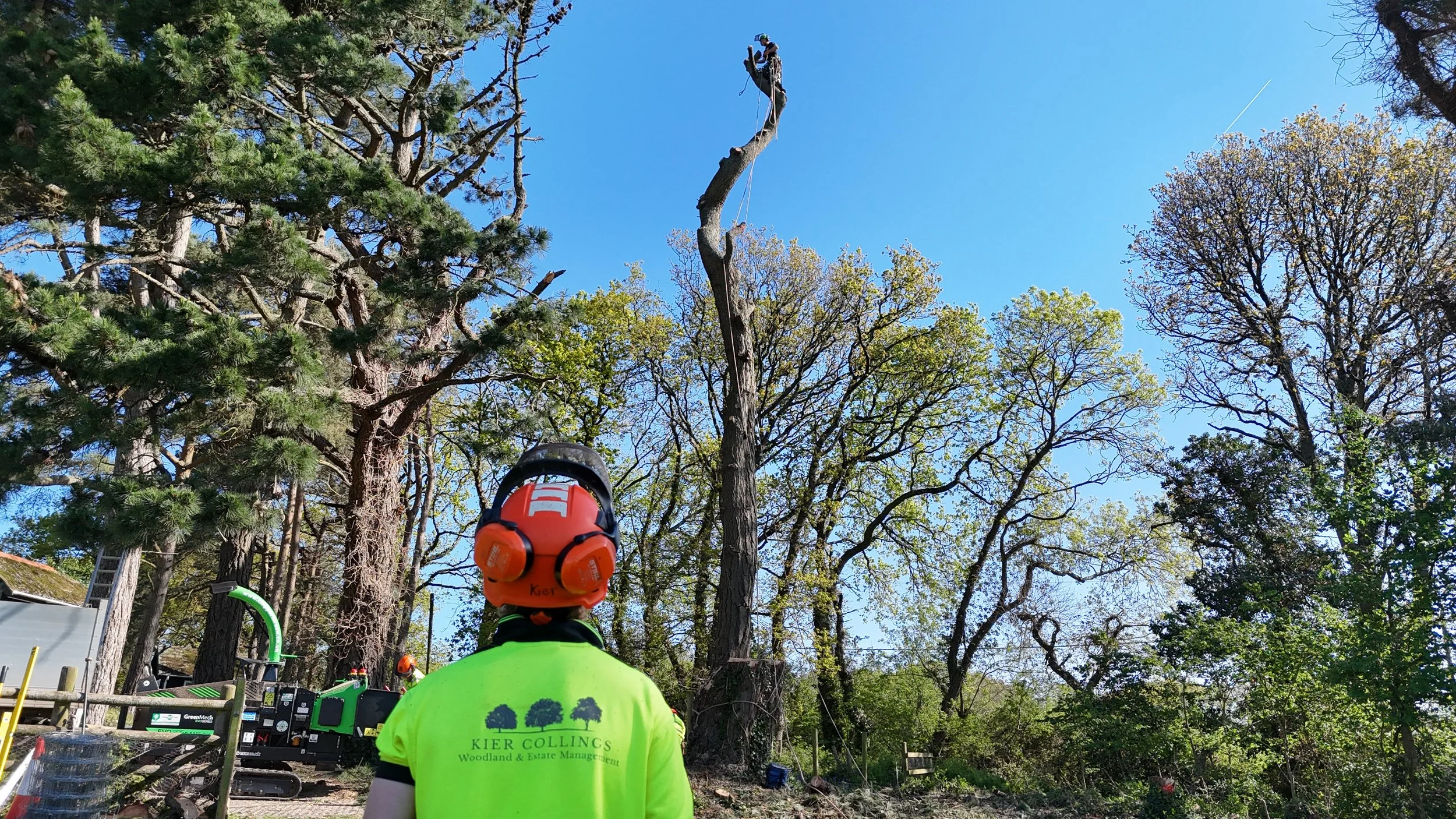
Felling and selective thinning
Habitat creation and restoration
Glade creation
Ride creation and management
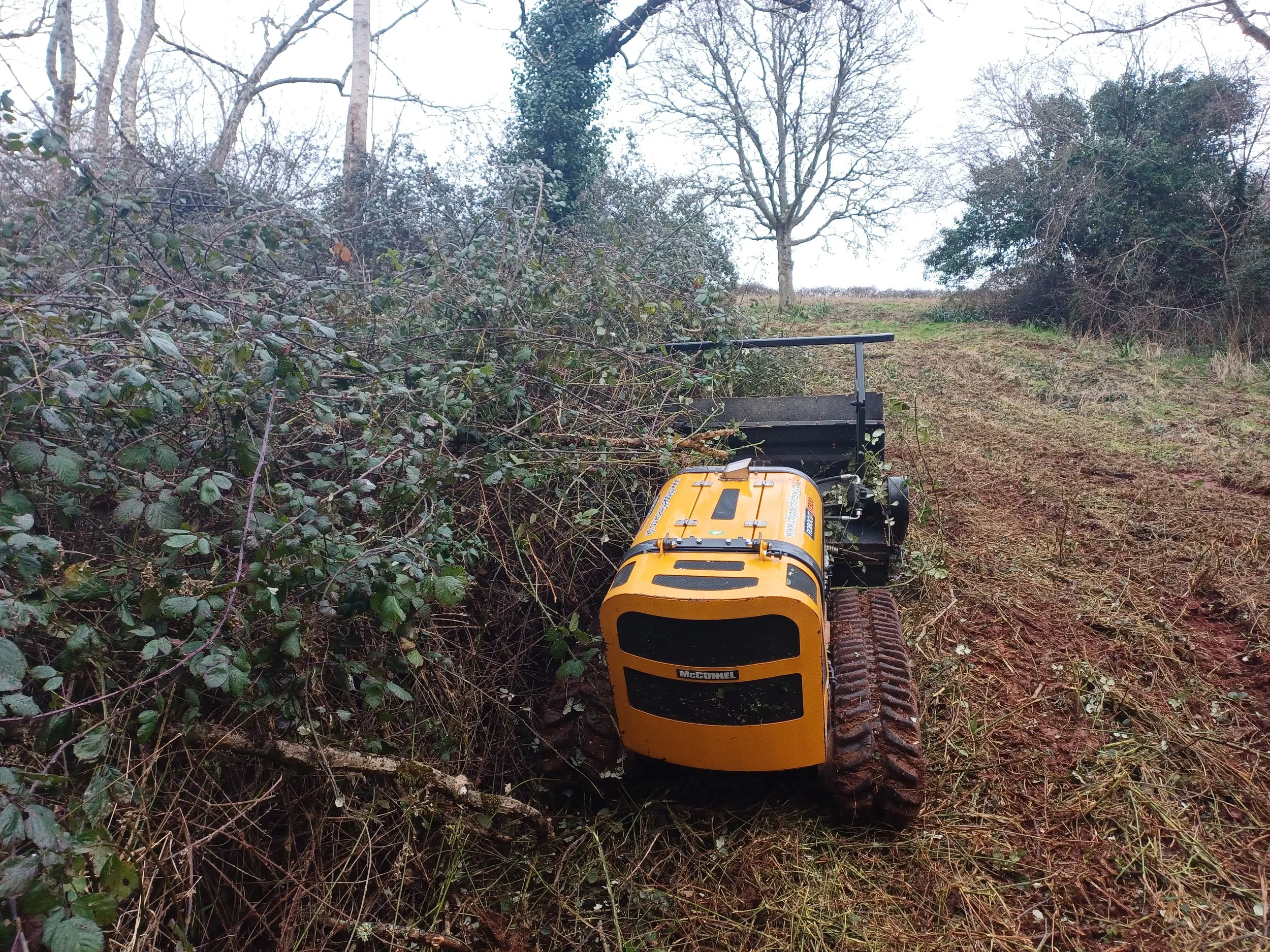
Invasive species control
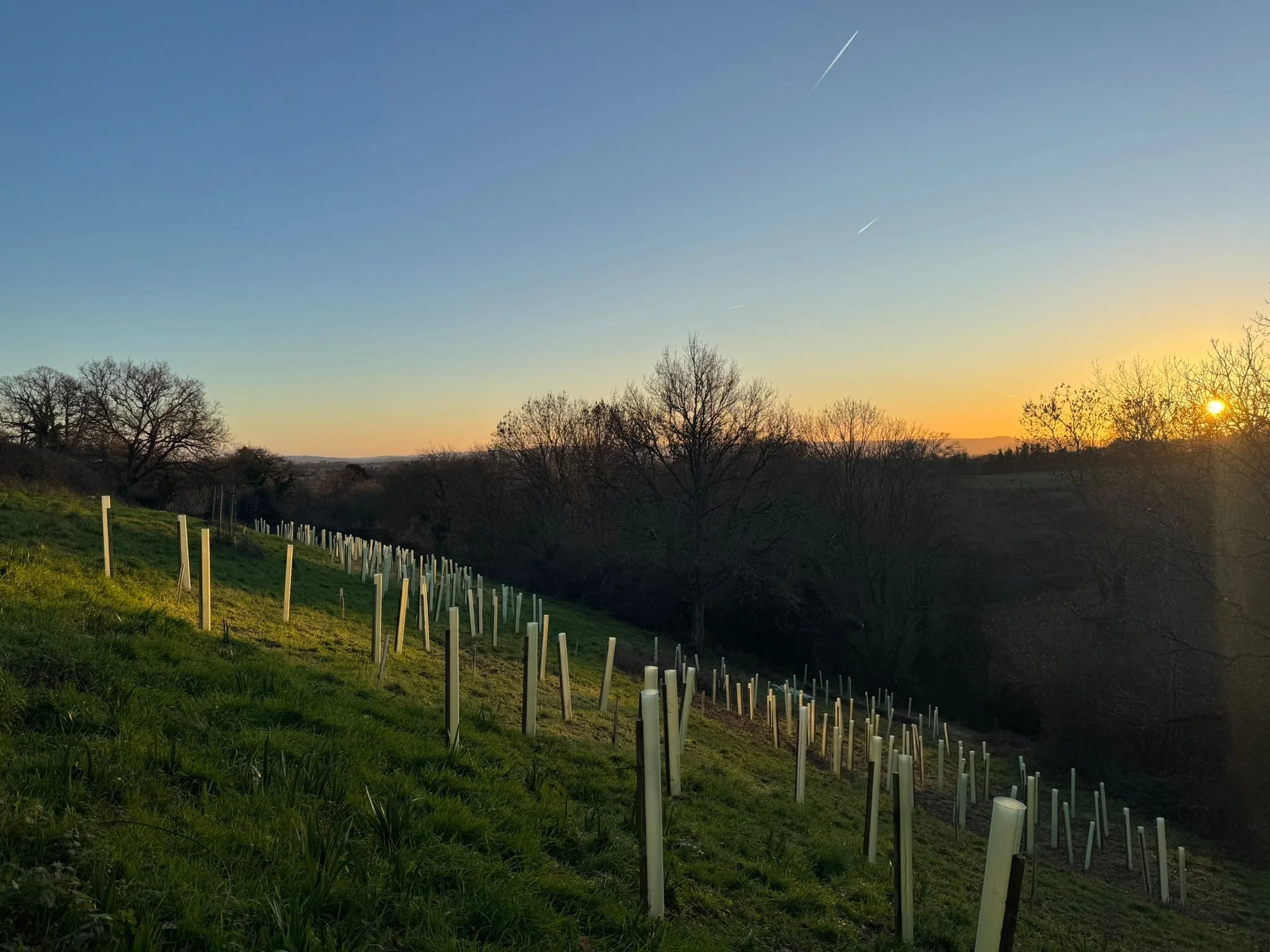
Tree planting and woodland establishment
We work with private woodland owners, estates, charities, conservation organisations, and NGOs on both privately funded projects and schemes supported through agri-environment or Environment Agency grants.
Environmental responsibility is central to everything we do. We take exceptional care when operating within sensitive habitats, including the use of tree savers during winching operations, spill kits and plant nappies during refuelling, and biodegradable bio-oil in our chainsaws to minimise environmental impact wherever possible.
Natural Flood Management, Riparian Restoration & Wetland Enhancement
Working alongside our woodland management services, we deliver specialist natural flood management and riparian restoration projects designed to improve the resilience, health, and ecological value of riverside environments.
From slowing peak water flow and reducing erosion to restoring temperate rainforest habitats and enhancing fisheries, effective river and riparian management provides wide-ranging environmental benefits. Sensitive intervention within these landscapes can improve biodiversity, retain nutrients, support natural river processes, and strengthen climate resilience for the future.
We work with landowners, estates, conservation organisations, and environmental schemes to design and deliver practical, low-impact solutions tailored to each site.
Our Services
Natural Flood Management (NFM)
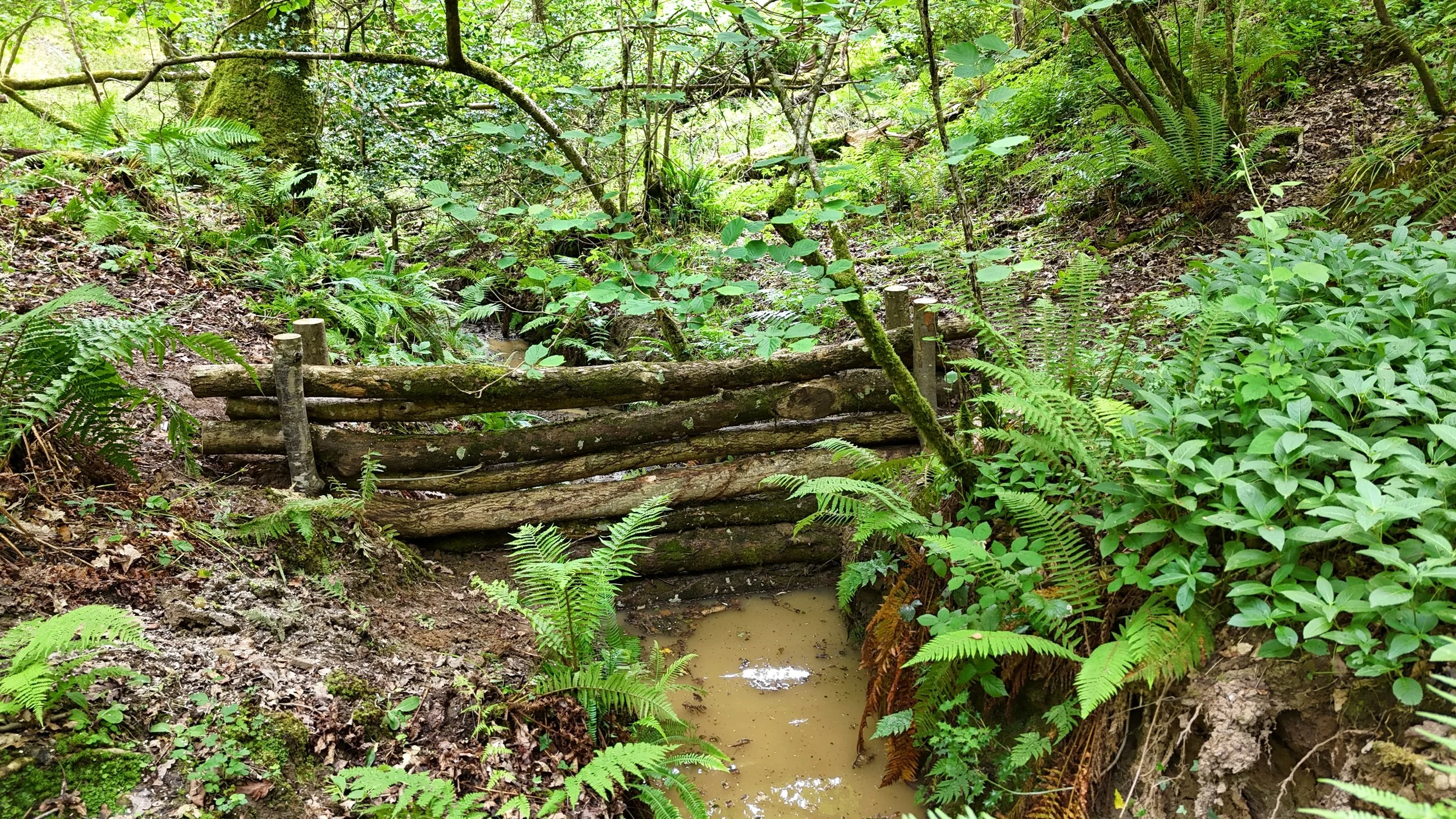
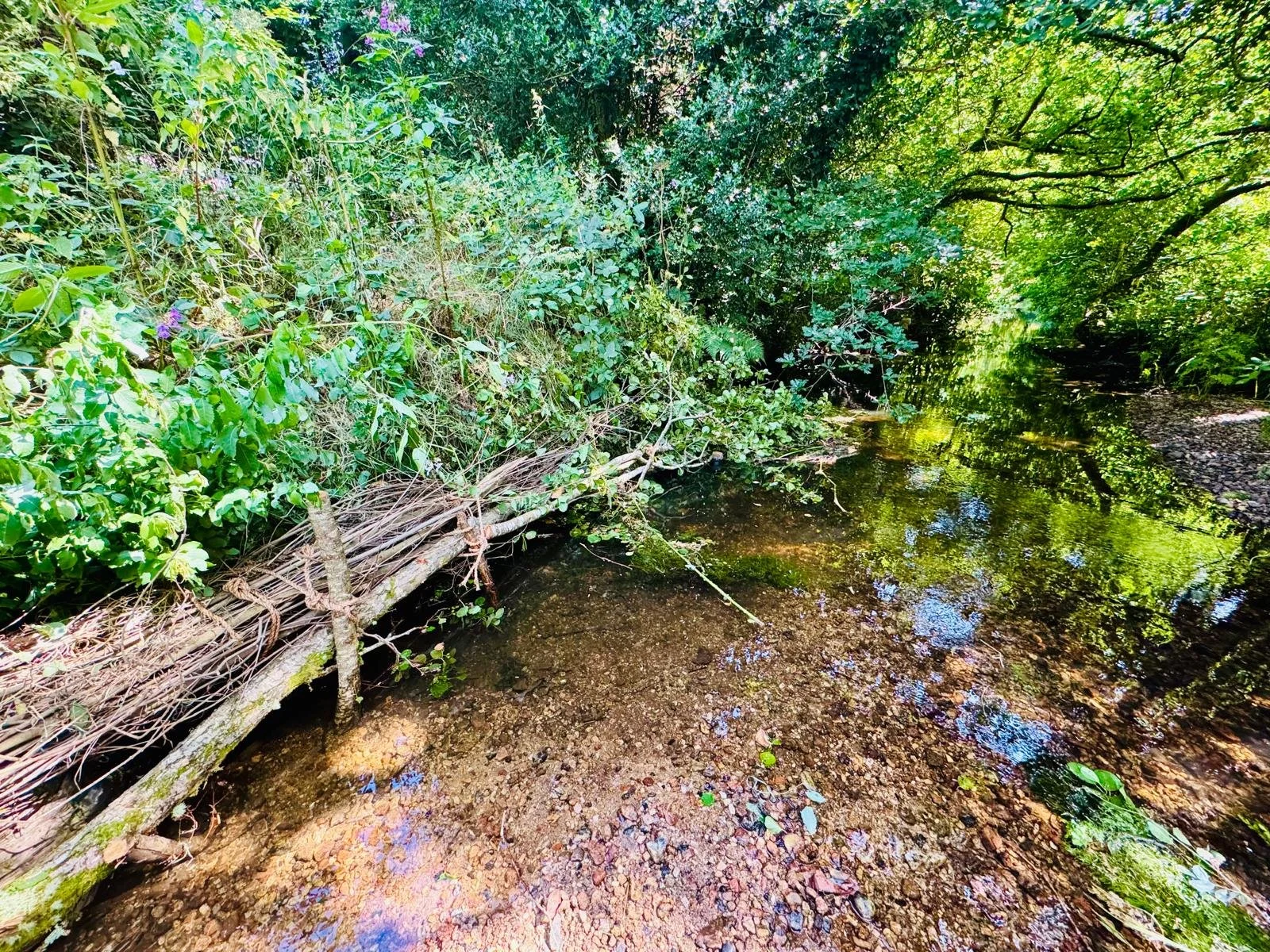
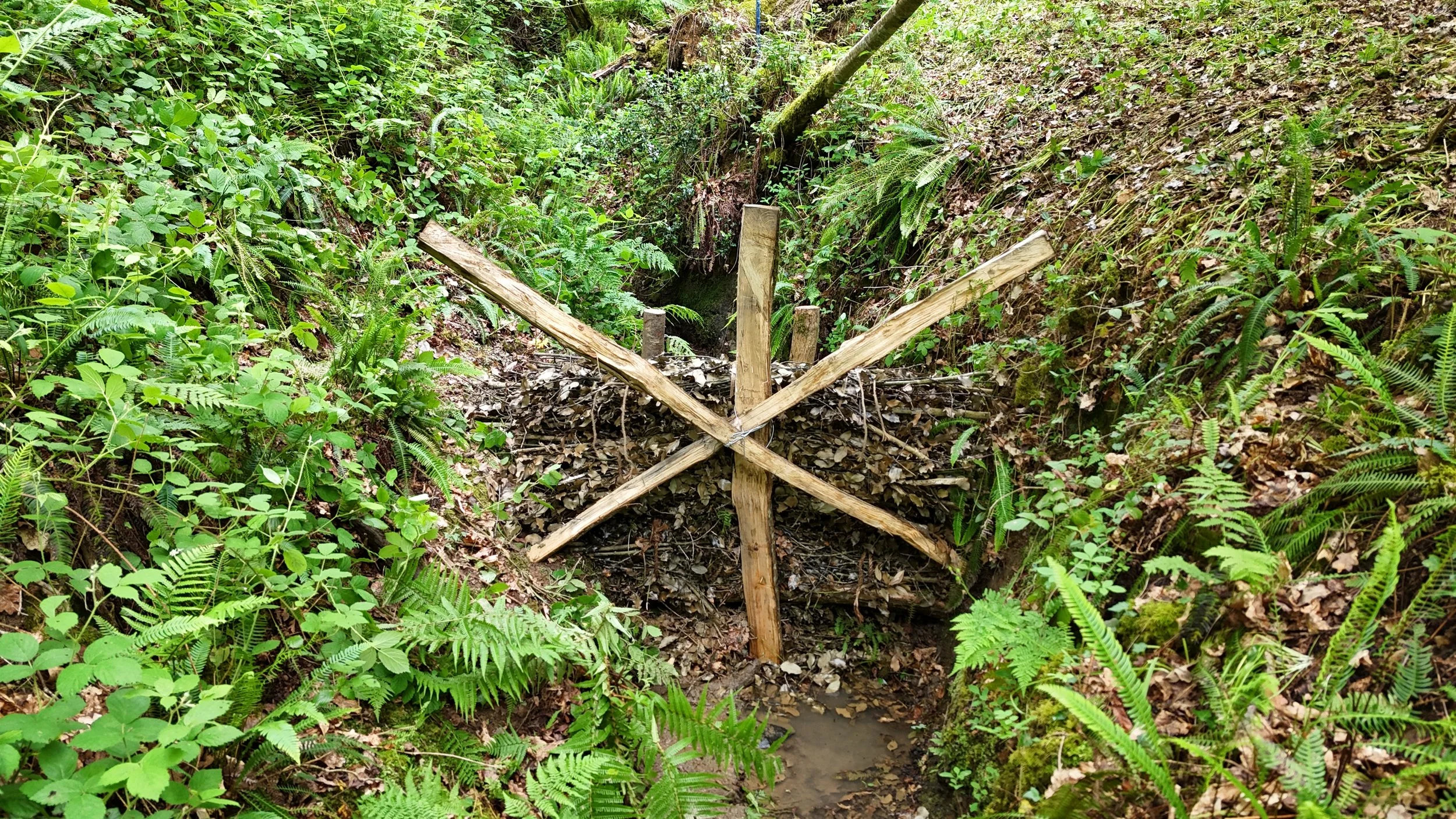
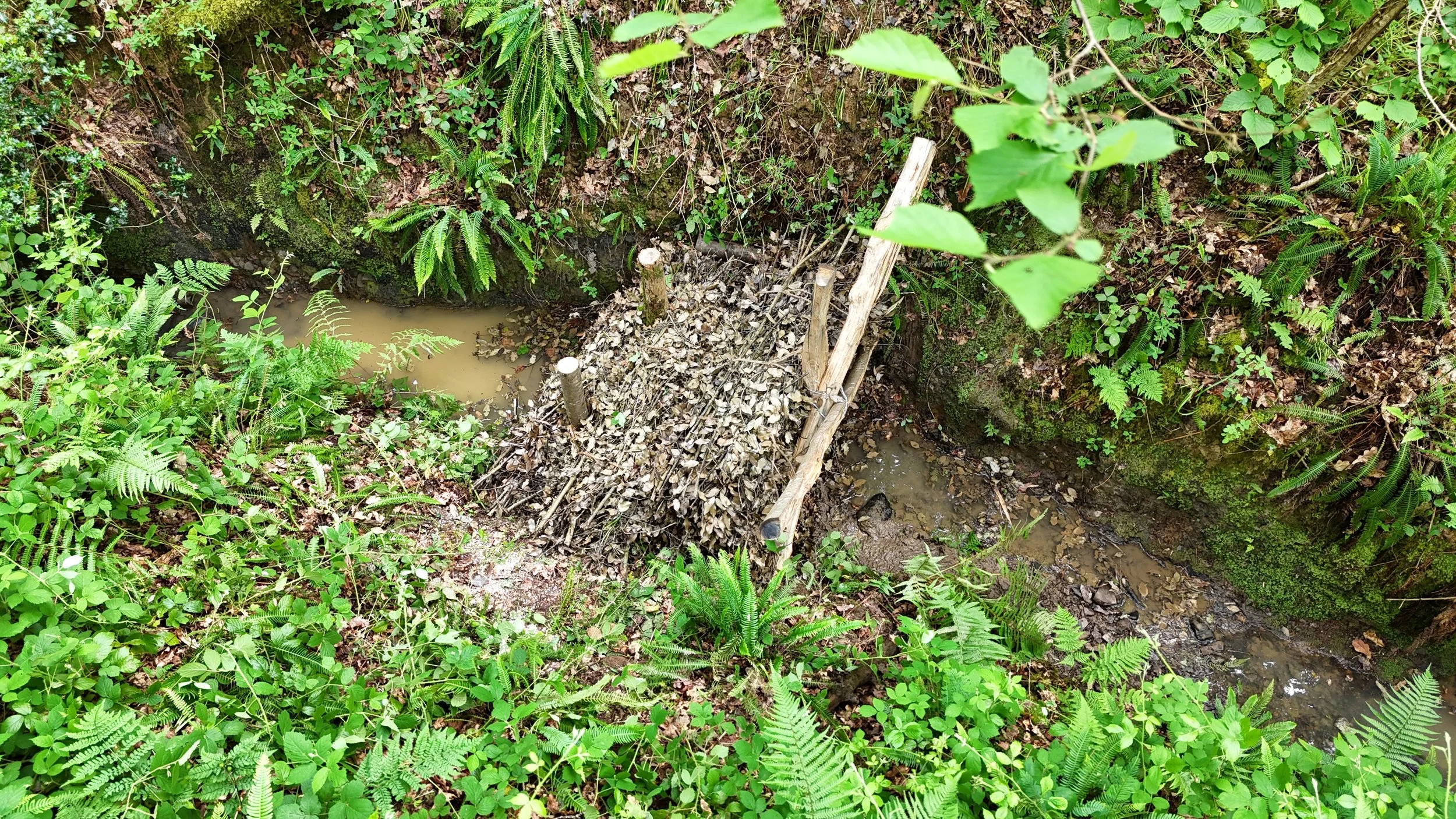
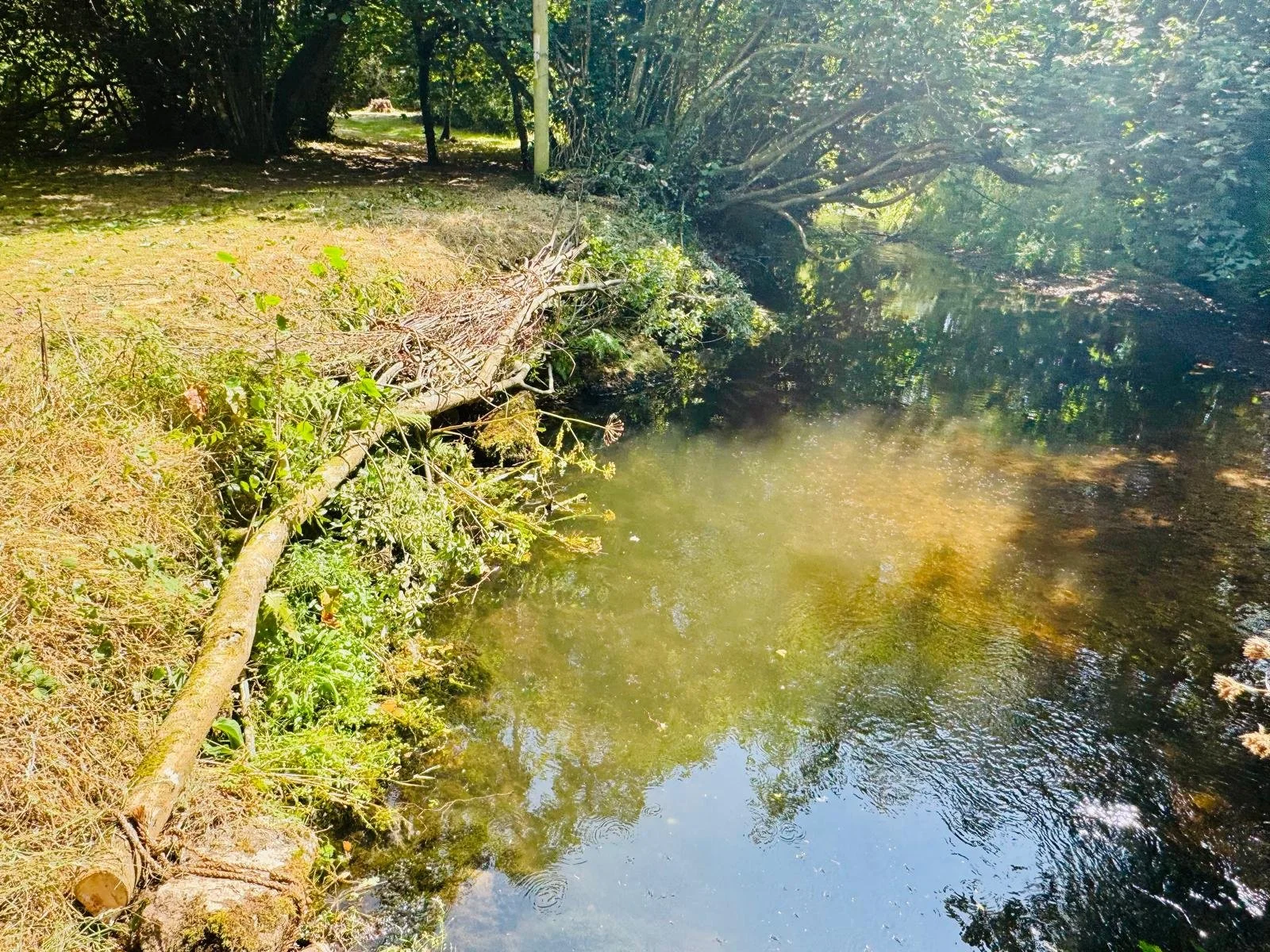
We install a range of natural flood management features including leaky dams, faggot bundles, and large woody debris structures. Carefully designed and positioned, these interventions help slow water movement, reduce downstream flood pressure, encourage water retention within the landscape, and create valuable wetland habitat. All installations are carried out by an experienced team using sensitive working methods to minimise environmental disturbance.
Riparian & Selective Bankside Management
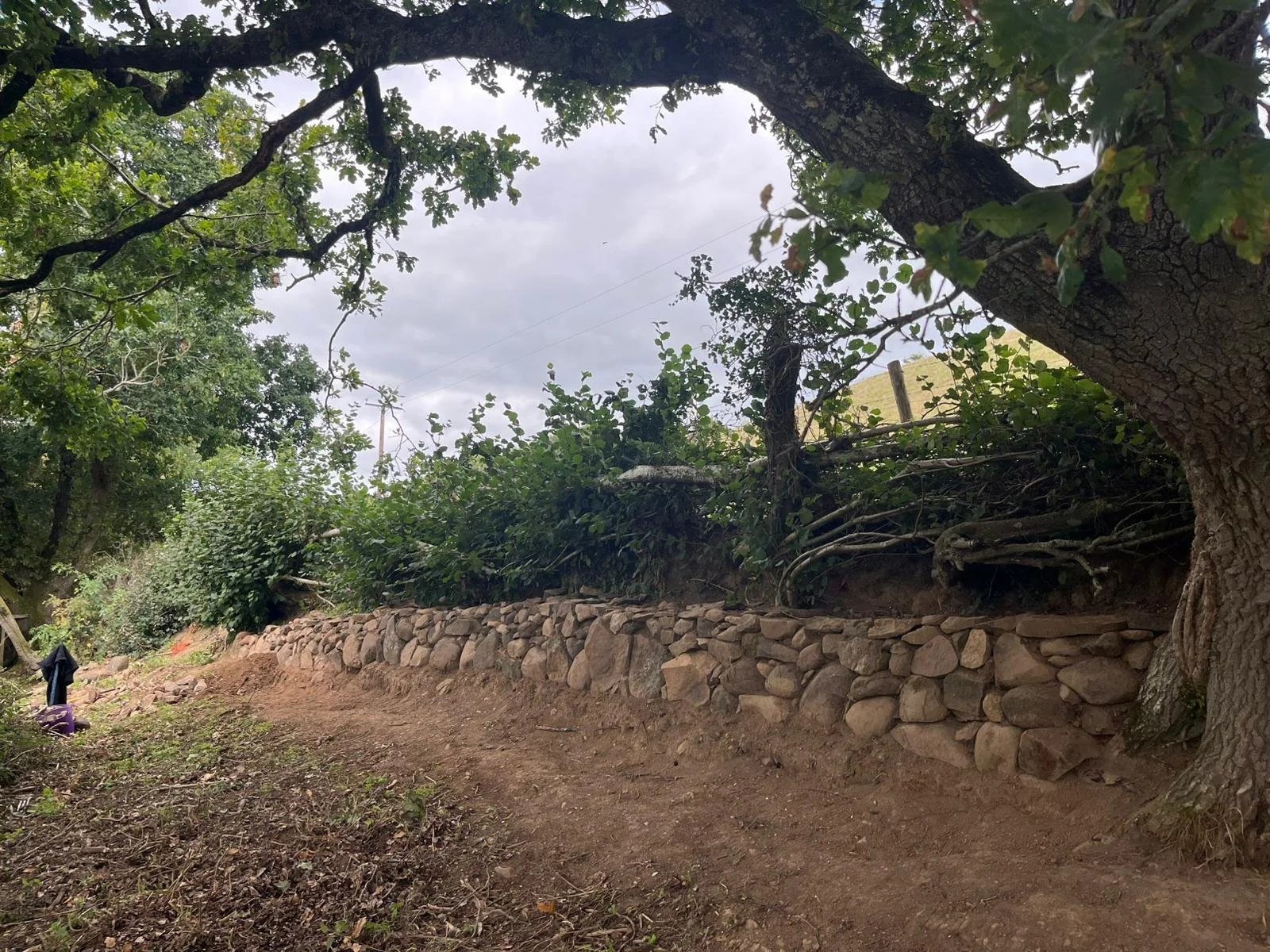
Carefully managing riverside trees and vegetation can significantly improve the health and stability of a watercourse. Through selective felling, winching, hinging, and bracing techniques, we help redirect flow away from vulnerable banks, reducing erosion while encouraging the river to naturally maintain its form.
Strategically placed woody material can also create scour pools and flow variation, providing important refuge areas for trout and salmonids while promoting gravel and silt deposition that benefits spawning grounds and aquatic invertebrates.
Bankside Coppicing
Bankside coppicing is an effective way to rejuvenate trees next to watercourses, improve habitat diversity, and increase the amount of light reaching the watercourse. Whether privately funded or delivered through Countryside Stewardship capital grants such as TE10, coppicing can stabilise riverbanks, strengthen wildlife corridors, encourage healthy regrowth, and improve the long-term resilience of riparian trees.
Achieving the correct balance between sunlight and shade — often around a 60:40 ratio — is essential for maintaining a healthy aquatic environment, but careful planning is key to ensuring this balance is achieved in the right locations for maximum ecological benefit.
Hedge Works & Hedgerow Restoration
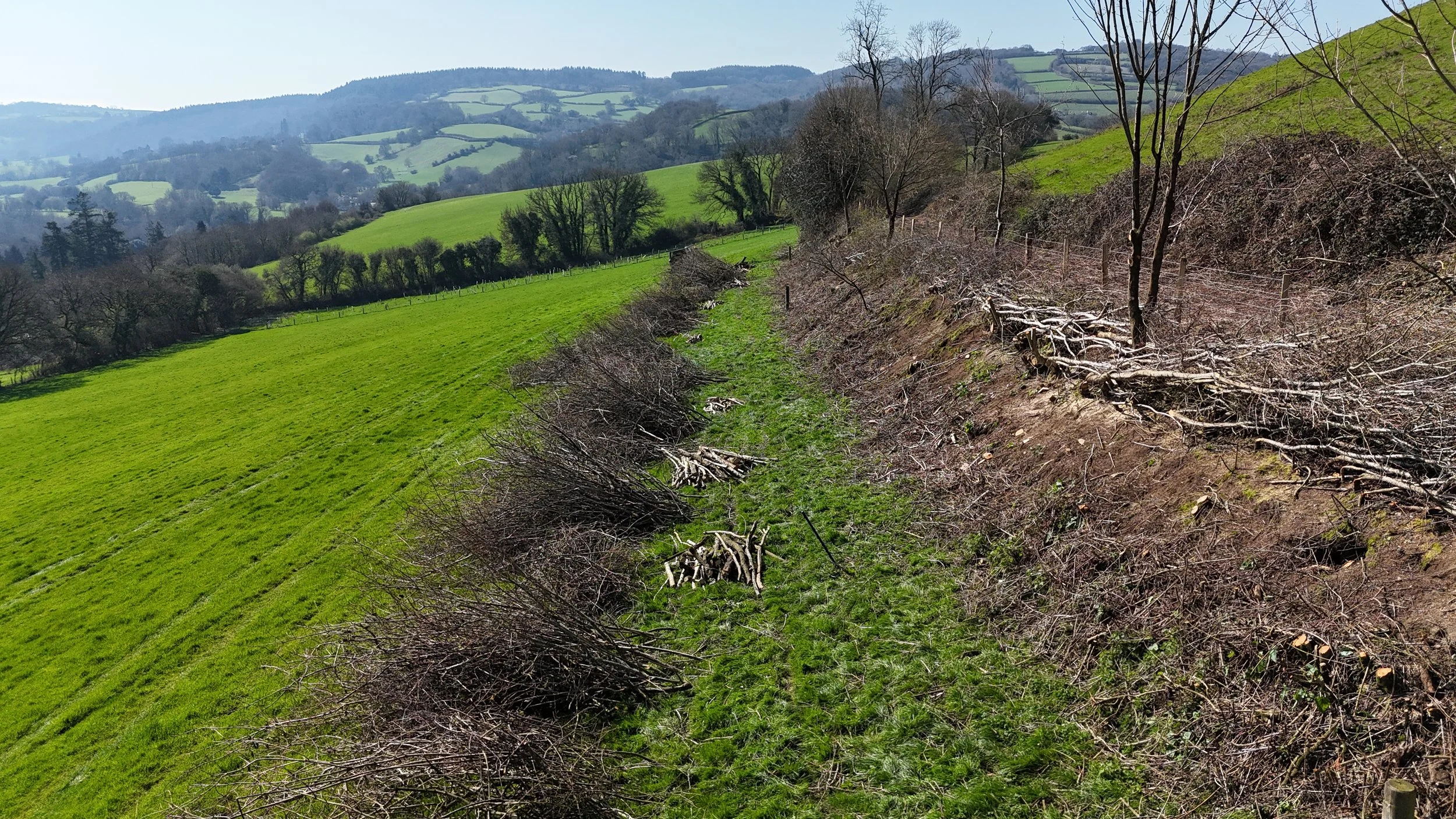
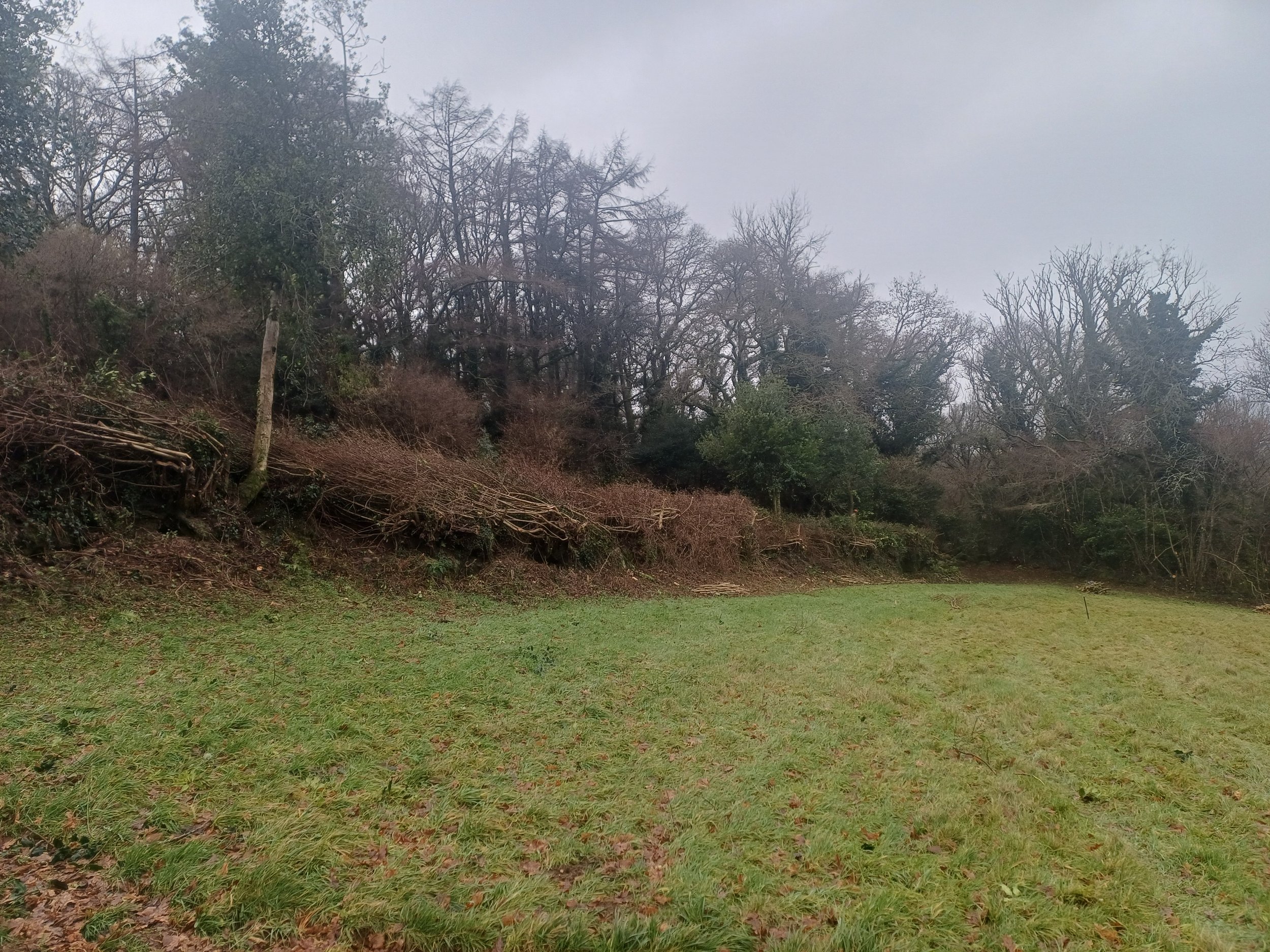
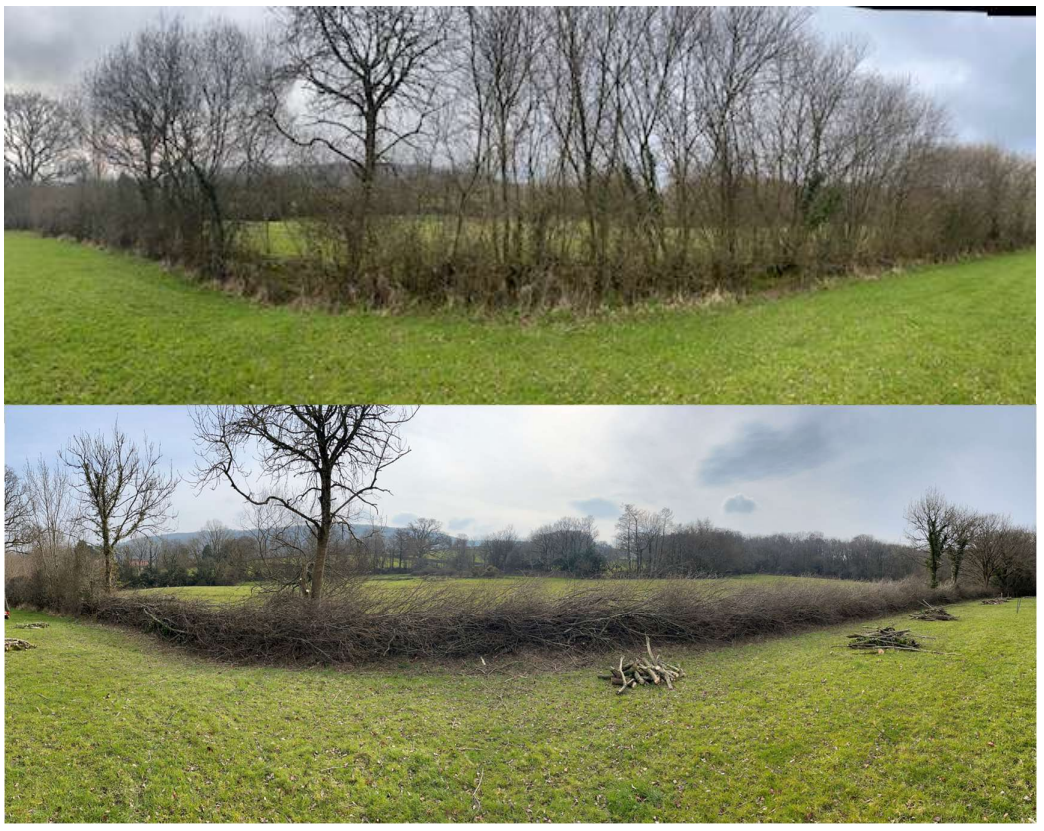
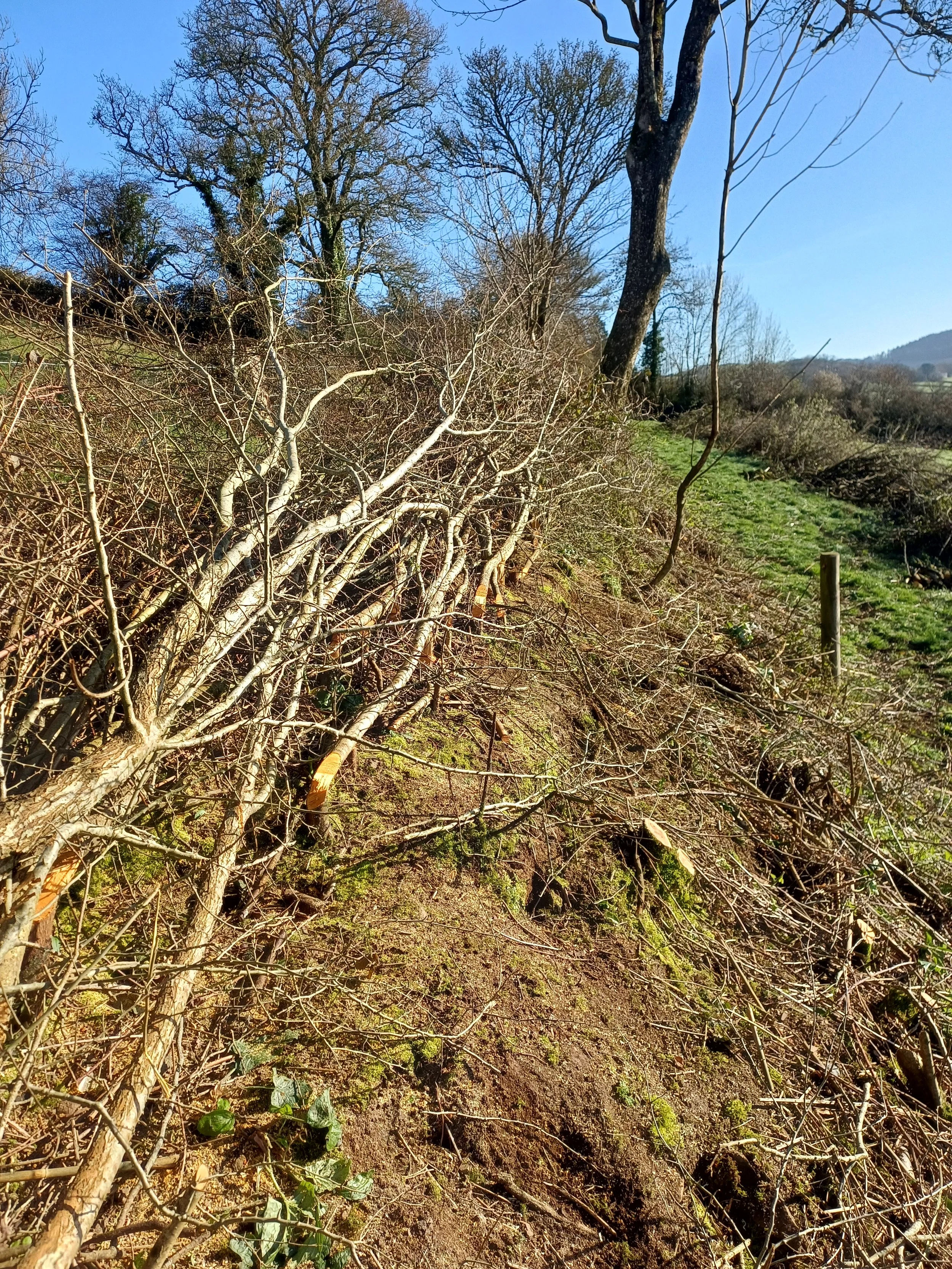
Devon is home to over 53,000 kilometres of hedgerows — more than any other county in the UK — making these traditional landscape features an essential part of the countryside. Healthy hedgerows provide vital wildlife corridors, support species such as dormice and cirl buntings, protect soil from erosion, improve landscape connectivity, and play an important role in carbon storage and biodiversity conservation.
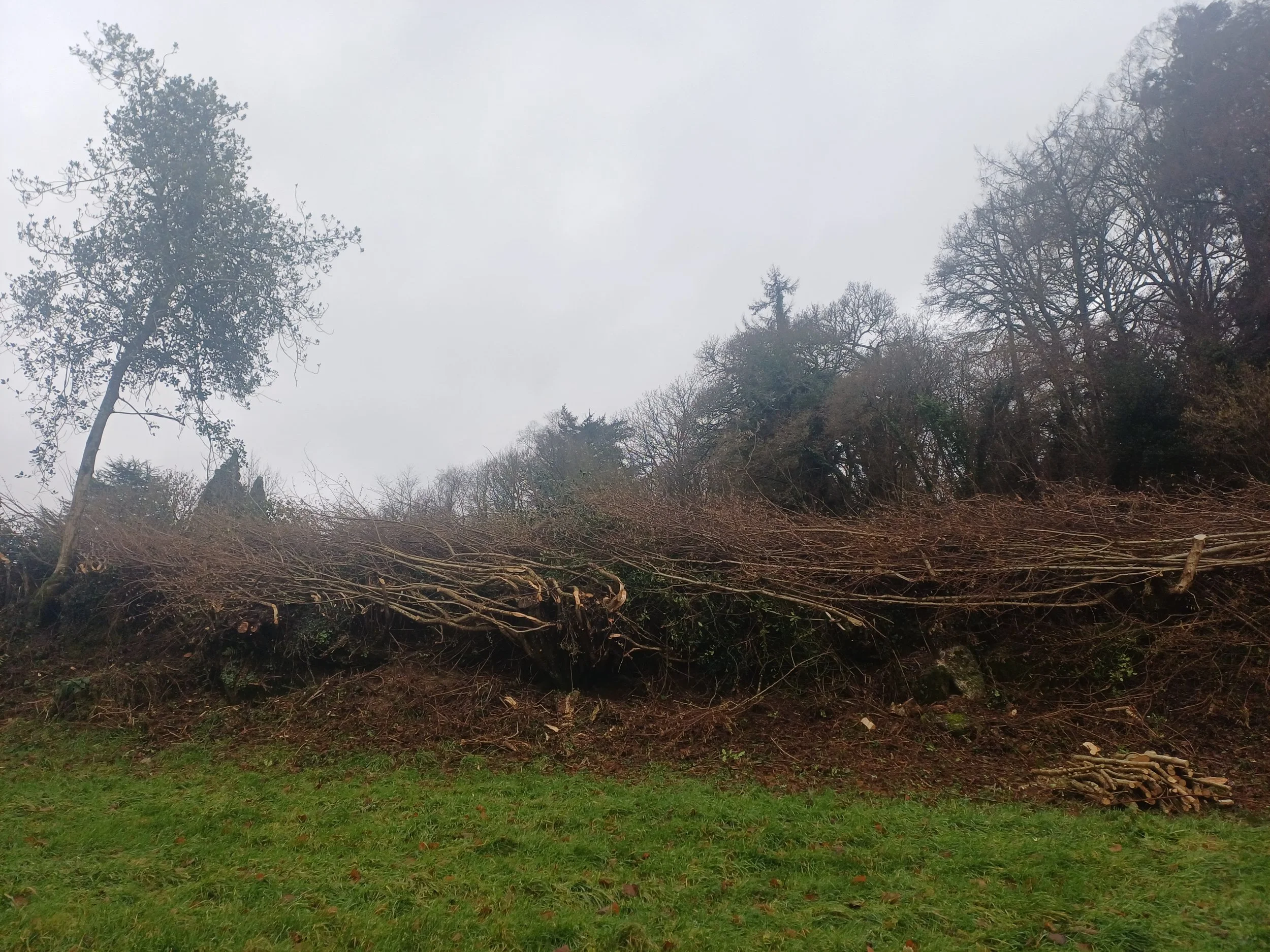
We specialise in traditional hedge management, restoration, and conservation style hedgelaying designed to enhance both the ecological and structural value of hedgerows. Our preferred conservation-style hedgelaying technique creates dense, bushy habitats while retaining as much living material as possible throughout the process, resulting in healthier, longer-lasting hedges with excellent wildlife value.
Alongside hedgelaying, we also undertake:
Hedgerow planting and establishment
Hedge restoration and gapping-up
Boundary hedge management
Tree management and coppicing within hedgerows
All work is carried out in accordance with Countryside Stewardship capital grant specifications, and we can provide guidance on the most suitable approach for your site. We are also able to assist with grant applications through the Rural Payments Agency (RPA), helping tailor projects to your objectives — whether restoring existing hedges, planting new boundaries, or improving habitat connectivity across your land.
Deer Management
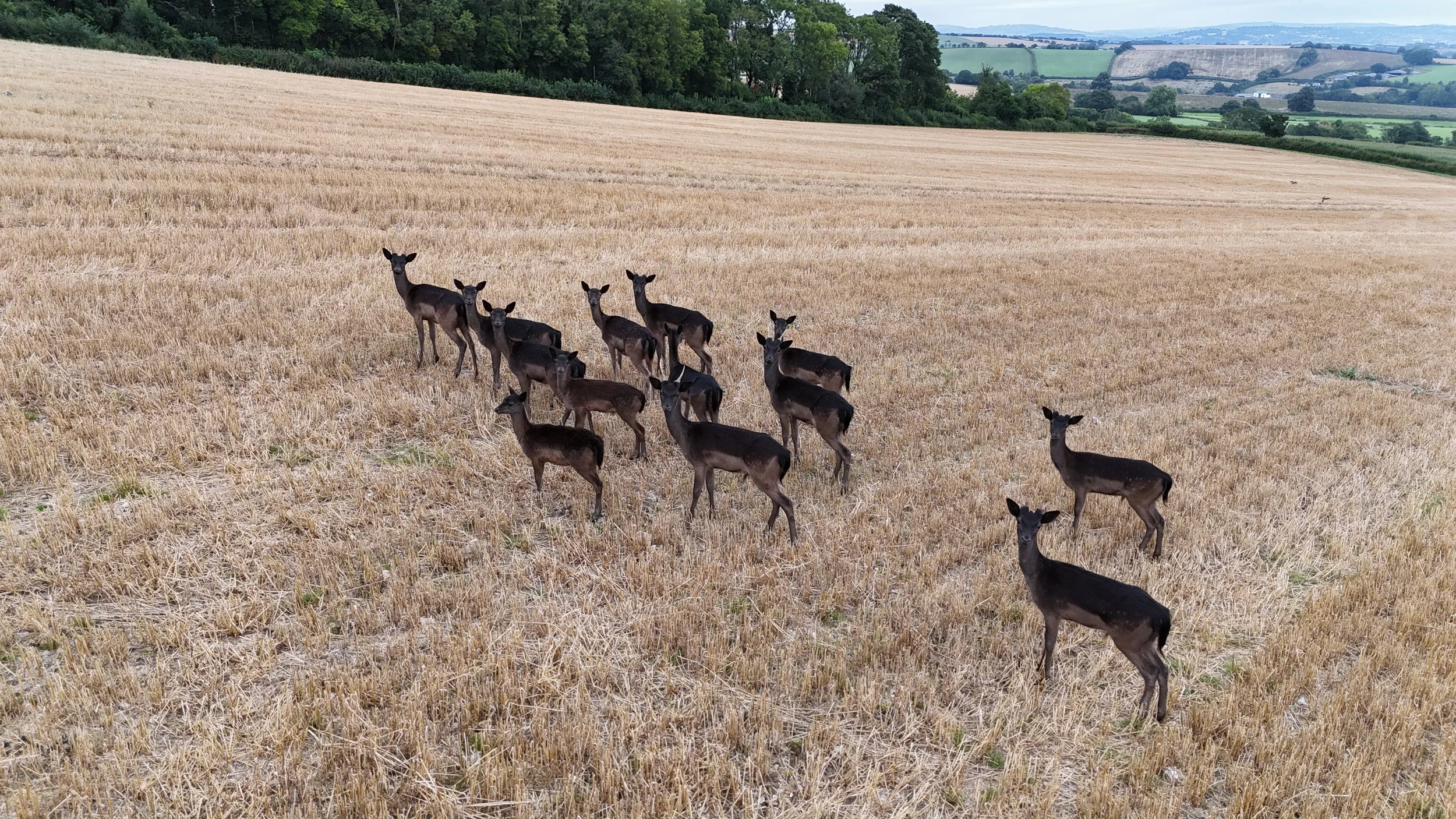
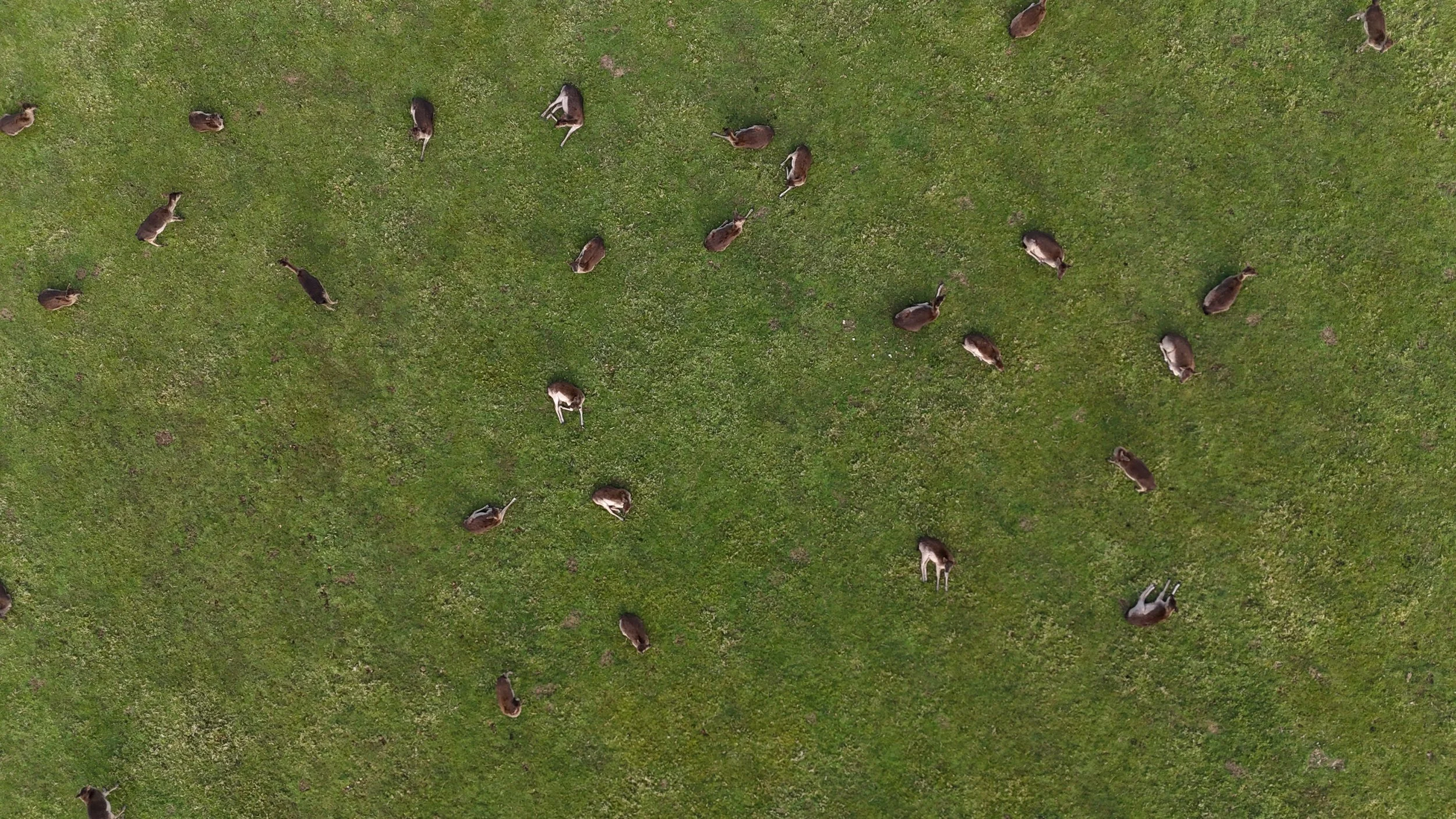
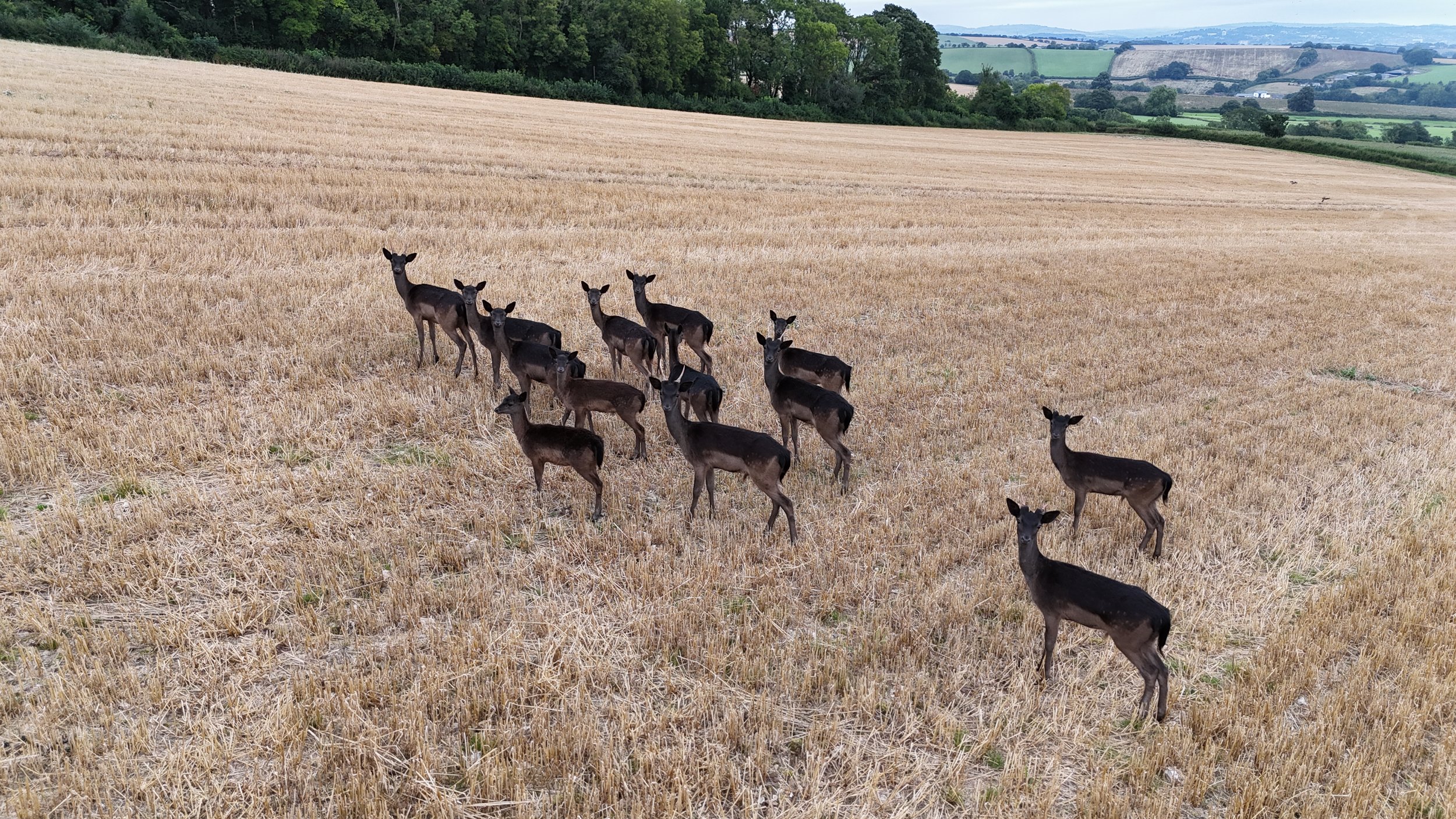
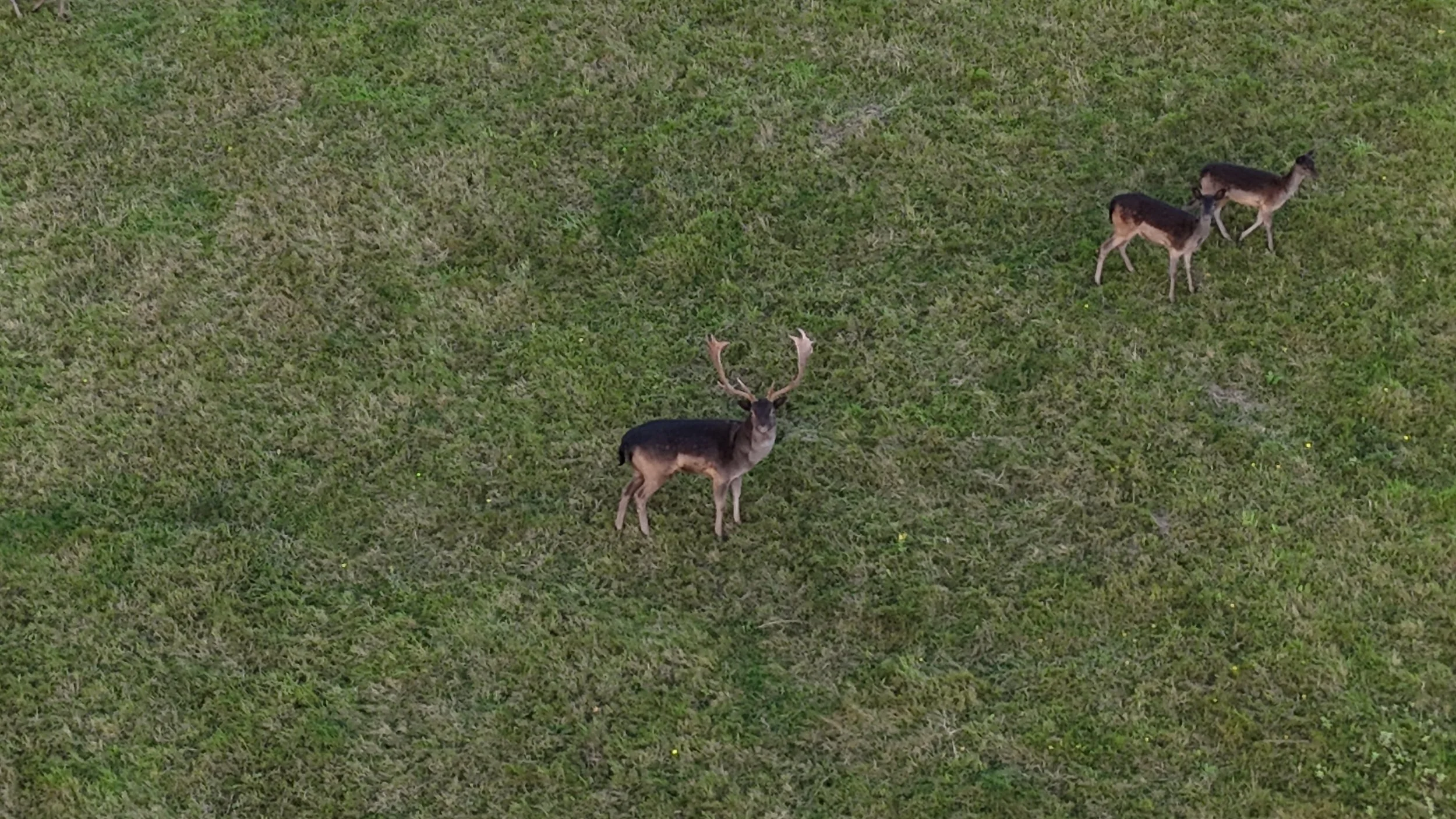
Deer are an important part of the British landscape, but increasing populations can place significant pressure on woodlands, habitats, and agricultural land. Across the UK six species of deer can be found, including native species such as Red and Roe deer, alongside naturalised Fallow and non-native species including Sika, Muntjac, and Chinese Water Deer. In Devon, Roe, Red, Fallow, and Sika deer are all present, with populations rising and impact becoming more and more an issue.
Without effective management, deer can severely impact young woodland establishment, natural regeneration, ground flora, and wider biodiversity objectives through browsing, bark stripping, and grazing pressure. Whether you are creating new woodland, restoring habitat, or managing farmland, a well-planned deer management strategy is essential to protect long-term ecological and financial investment.
We provide practical, evidence-based deer management solutions tailored to the needs of your land, helping woodland owners, estates, farms, and conservation projects achieve sustainable outcomes for both biodiversity and land management.
Our Services:
Consultancy & Advisory Support
Practical, site-specific guidance to help inform management decisions and develop effective long-term strategies for your woodland, estate, or conservation project.
Habitat Impact Assessments
Using recognised assessment methodologies, we evaluate the impact deer are having on habitats, woodland regeneration, and biodiversity, providing clear evidence to support future management.
Deer Management Plans
Comprehensive, tailored management plans designed around your objectives, balancing ecological, conservation, and land management priorities.
Practical Deer Management Works
We carry out a range of practical measures, some of which include deer exclosure installation, habitat protection, and the application of animal-derived repellents to reduce browsing pressure and protect vulnerable planting and regeneration areas.
Our approach focuses on responsible, sustainable deer management that supports healthy woodlands, resilient habitats, and thriving ecosystems for the future.

Invasive Species Management
Woodlands can be susceptible to invasive species causing detrimental impact to the biodiversity, ecology and even their long-term survival. Outcompeting native species, casting heavy shadow and cutting out sunlight, harbouring disease and altering soil composition to name a few of the issues if left unmanaged invasive species may create.
Rhododendron (R. Ponticum), cherry laurel (P. Laurocerasus) and native holly (Ilex aquifolium) in woodlands can all require professional management which we can provide – including if work is close to water which requires additional qualifications.
Treatment and management can take the form in a variety of ways – from delicate and targeted stem injecting to felling and removal – treating stumps afterwards, the right course of action and planning is highly important.


Estate Management
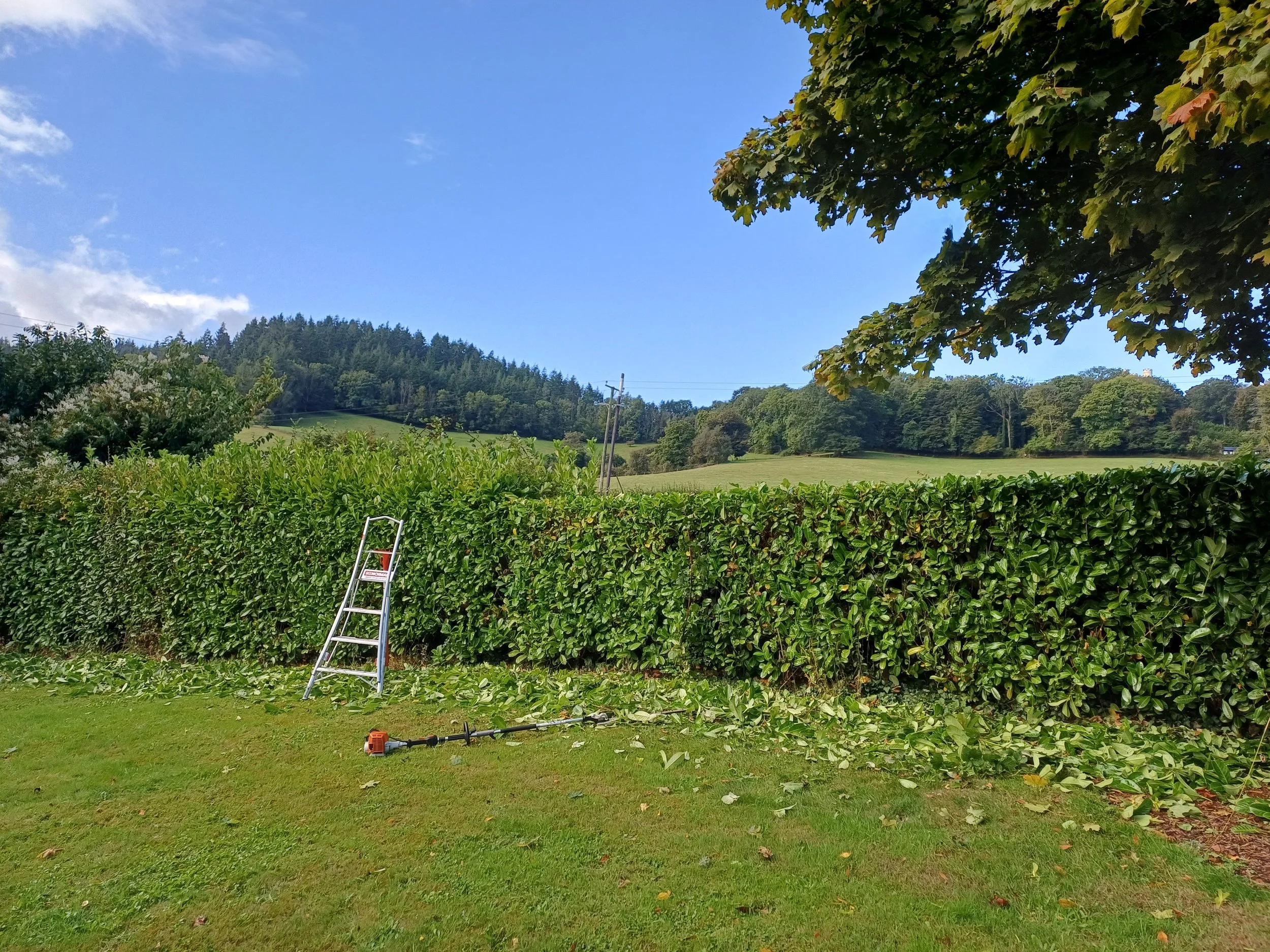
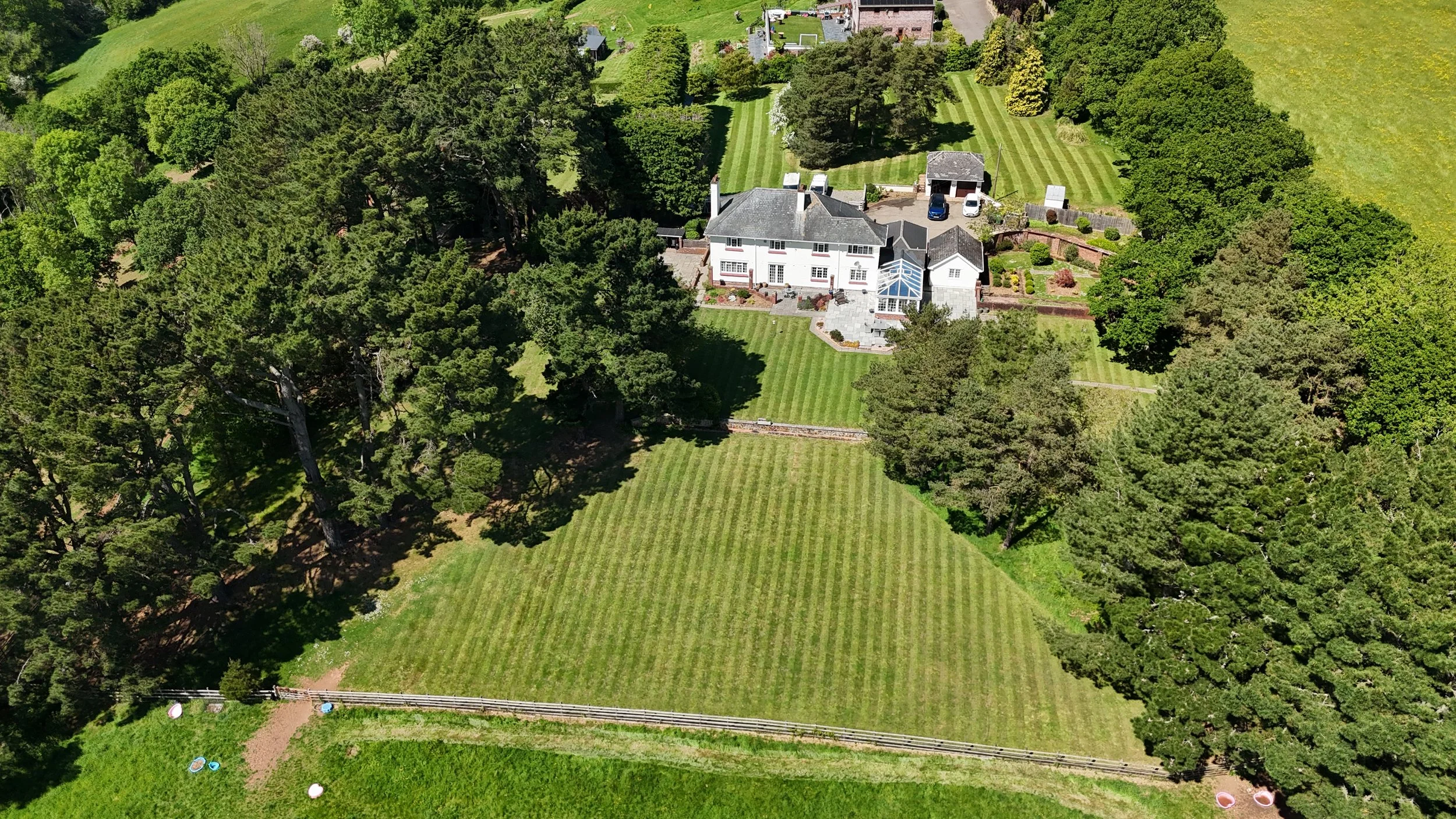
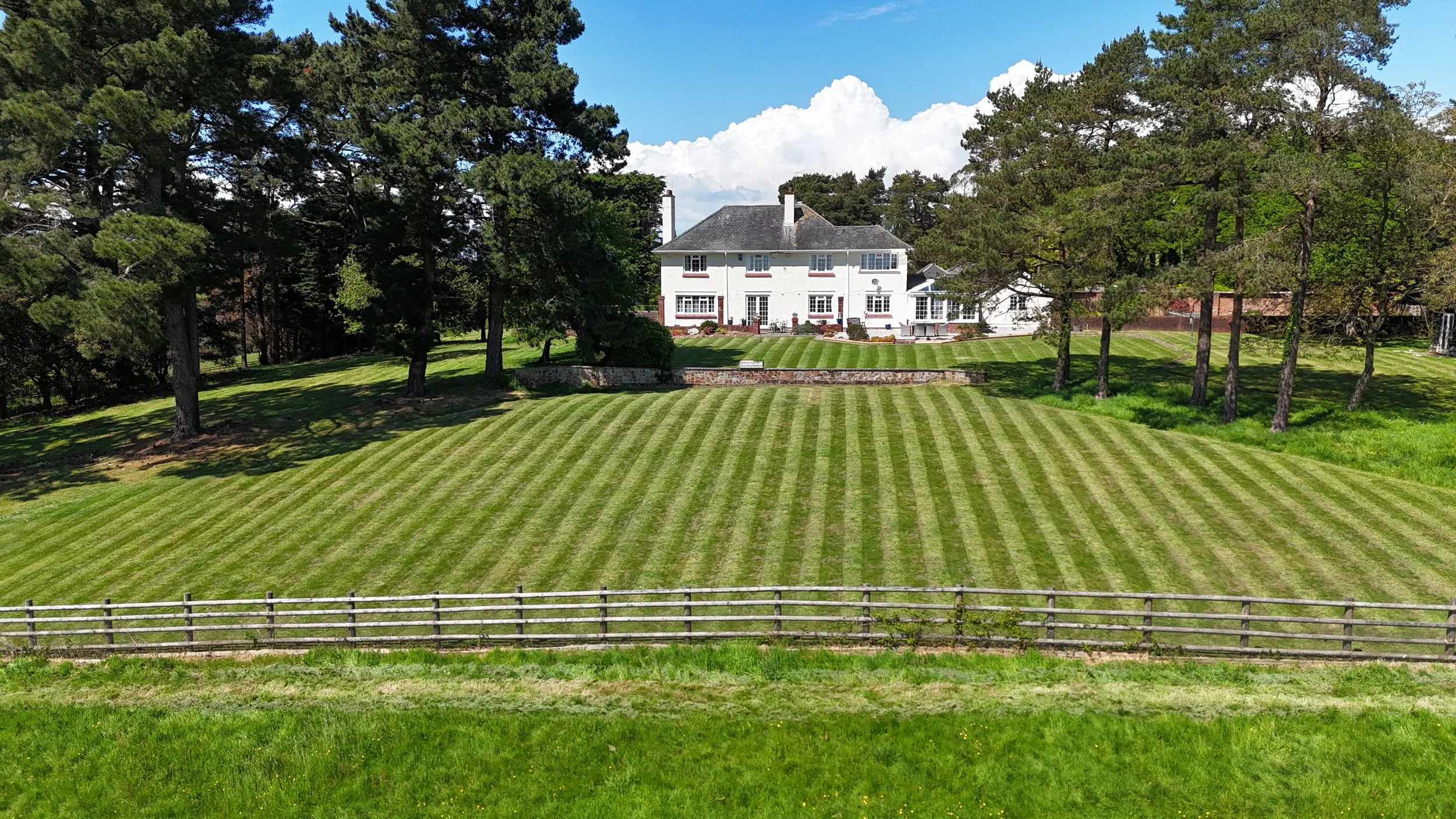
We specialise in the professional management and care of estates. Our services cover all aspects of grounds maintenance — including lawn care, detailed garden management, and hedges and tree work, delivered with discretion, reliability, and exceptional attention to detail.
We work with a select group of clients who value quality, trust, and peace of mind. Whether you're seeking ongoing care through regular visits or support for one-off projects, we tailor our services to meet the specific needs of your property.
Services include but not limited to:
Grounds keeping and maintenance
Grass cutting and lawn care
Hedge trimming
Tree planting and relocation